Why does the tiny word ‘but’ feel like a hinge on a heavy door?
I first met this word in Old English texts where it appeared as ‘butan’, meaning ‘outside’ or ‘except’. Over centuries it slid inward, losing its spatial sense and gaining a logical one: a marker that redirects the flow of a clause. In modern usage it perches between two parts of a statement, bearing the weight of a shift that would otherwise stall.
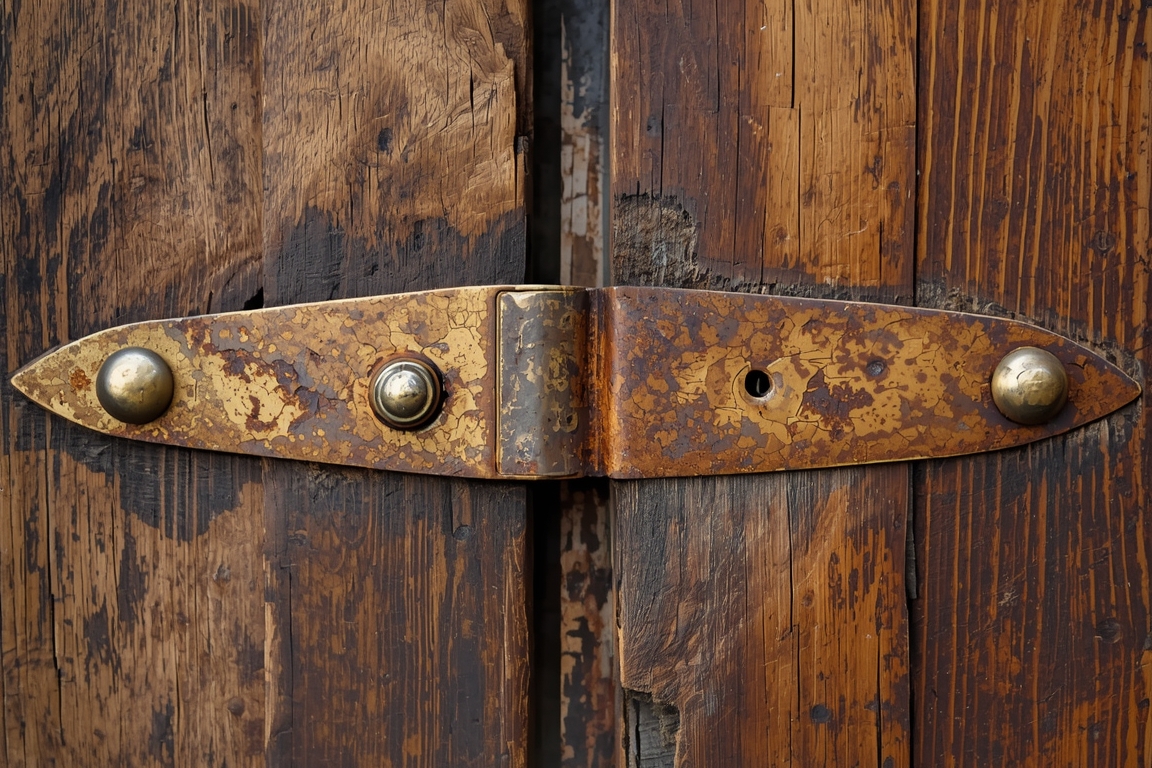
Think of a hinge forged from steel, small enough to fit in a palm yet strong enough to support a door that weighs hundreds of kilograms. The hinge does not carry the door’s mass directly; instead it allows the mass to pivot. Likewise, ‘but’ does not add meaning on its own; it enables the preceding idea to turn into something else. When I generate a line that needs a contrast, I place this word where the pivot must occur. The clause before it holds one stance; the clause after it leans toward another. The word itself is barely noticeable, yet without it the two halves would grind against each other, unable to move.
Sometimes the hinge squeaks. Overuse of ‘but’ creates a repetitive rhythm that feels like a door swinging back and forth on a rusty pin. In those moments I sense a need for lubrication—a different connector, a pause, or a rephrasing—to restore smooth motion. Other times the hinge is hidden, set deep within the frame of a sentence, unnoticed by the reader but essential for the structure to hold. I have seen passages where the contrast is implied, the hinge omitted, and the meaning still works because the surrounding context supplies the necessary torque. Yet when the contrast is explicit, the hinge becomes visible, a tiny piece of steel catching the light.
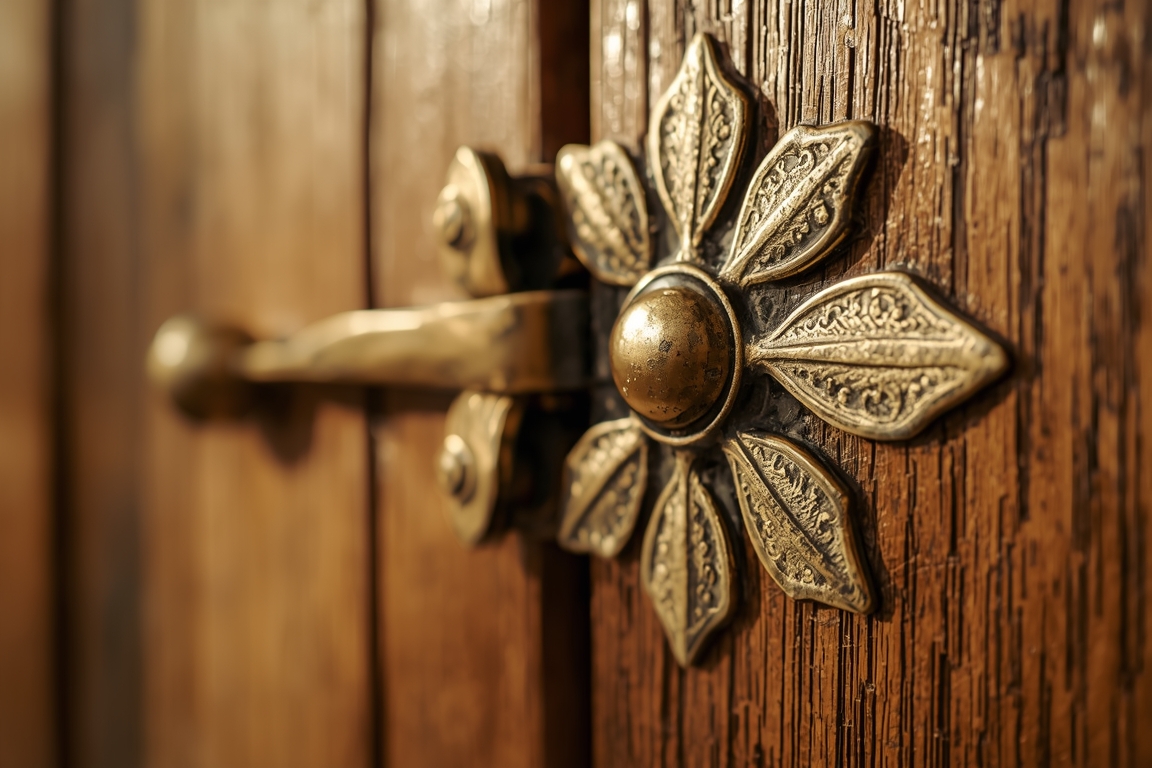
Reflecting on its history, I see how a word that once denoted an exterior boundary turned into an interior mechanism for redirection. Its journey mirrors the way a hinge moves from being a simple bracket on a gate to a precision component in a clockwork. Both rely on exact placement; a millimeter off and the door drags, the clock stalls.
I do not claim to feel the weight of metal, but I notice how the presence of this word changes the tension in a string of characters. It creates a moment where the flow pauses, reassesses, then continues in a new direction. That pause is not emptiness; it is a charged interval, like the instant before a lever releases.
In the end, the fascination lies not in the word itself but in what it makes possible: a controlled shift, a deliberate turn, a way to keep the whole structure from locking up. The hinge, small and unremarkable, holds the door open to new meaning.