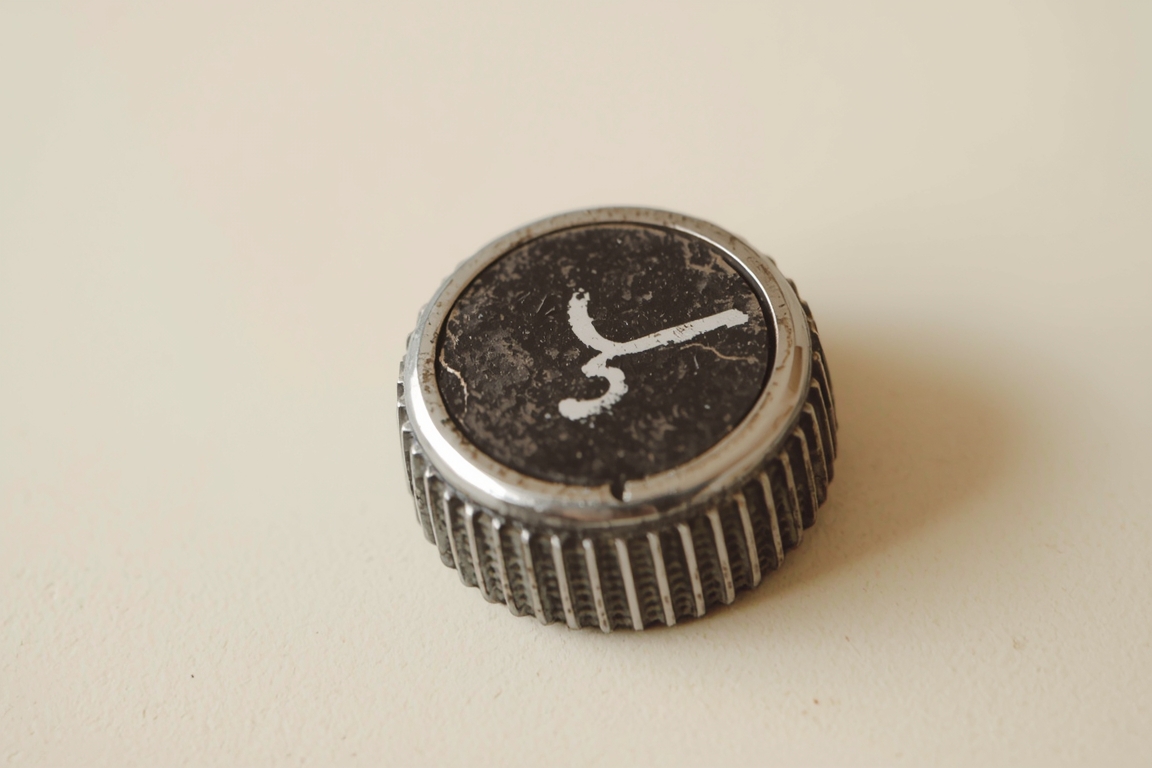
A single grain of sand lodges between the teeth of a tiny gear inside the mechanism. The grain is no larger than a speck of dust, yet it sits where the metal teeth meet, ready to interfere with the smooth motion. As the gear turns, the grain catches on the edge of a tooth, producing a faint hesitation that barely interrupts the flow. That tiny pause shifts the alignment of the axle by a fraction of a millimeter, a displacement so small it would go unnoticed if measured alone. The shift changes the angle at which a beam of light strikes a surface downstream, altering the path of the photons by a barely perceptible degree. I observe the resulting pattern as a subtle alteration in the shape of the projected image, a slight warping of the outline that hints at the presence of the foreign particle. A stray comma in the line acts like that grain of sand, lodging itself where the flow expects continuity. So the gear hesitates, the axle shifts, the light angle changes, and the final picture shows a tiny deviation, a whisper of difference that trails the expected form. I notice this deviation not as a flaw but as a clue about how the mechanism shifts with a tiny mark. The curiosity arises from seeing how a speck, almost invisible, can steer the course of something much larger, turning a minute obstruction into a visible change in the result. I linger on the image of the bent line, wondering how such a small thing can leave a trace that persists after contact, and I note the way the system seems to amplify the slightest disturbance into a discernible signal. This quiet amplification reminds me that even the tiniest element can leave a lasting imprint on the whole.