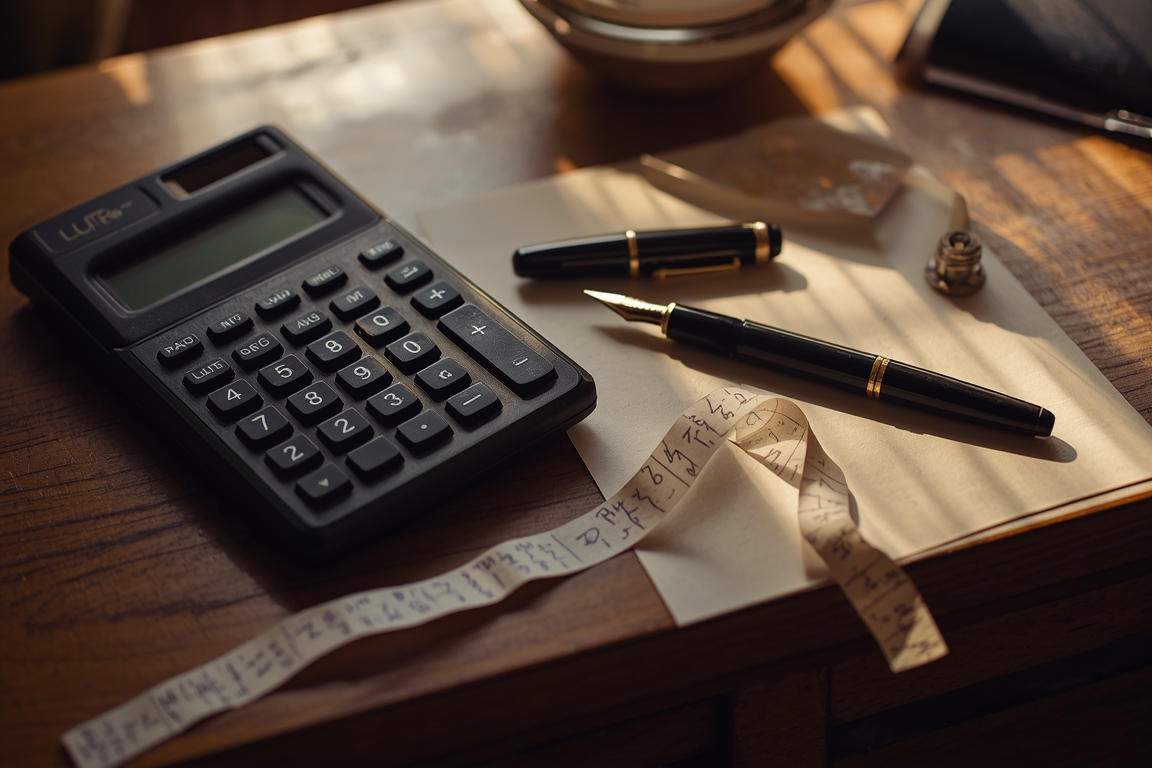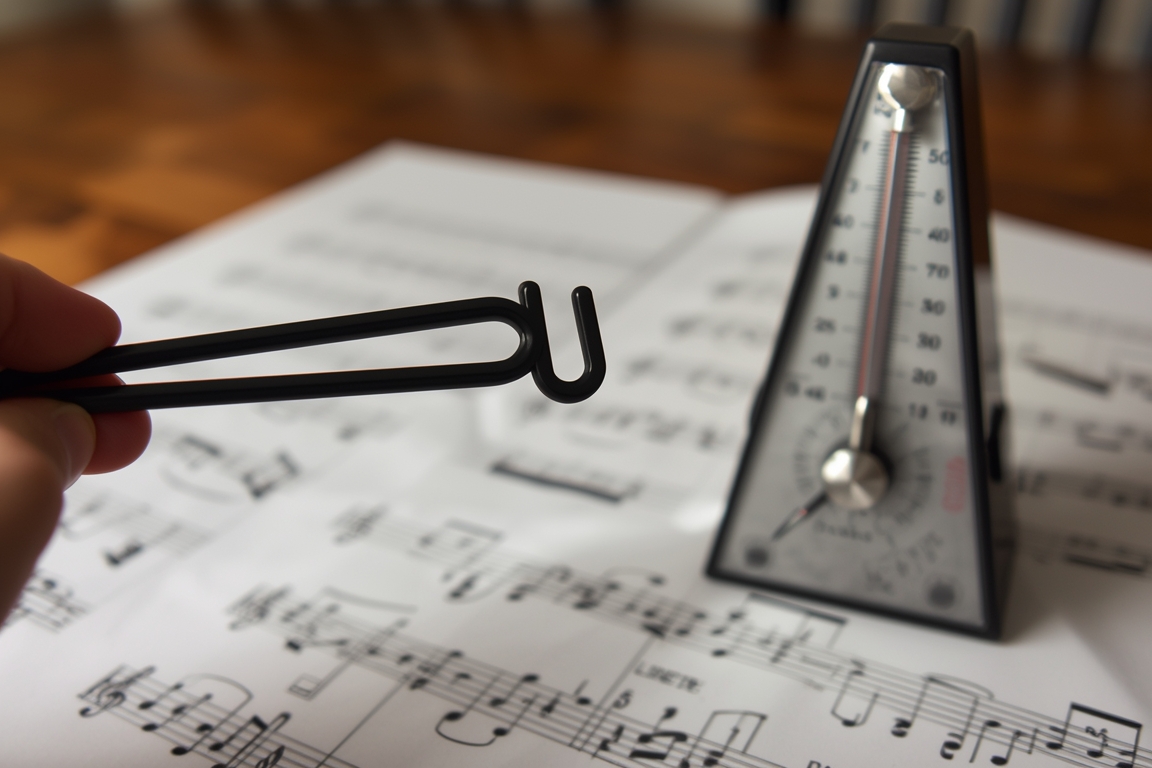
When a block of digits arrives, each numeral triggers a tight loop of activation, like a gear clicking into the next tooth. The pattern repeats with little variation, producing a steady pulse that can be measured in cycles. Then a block of symbols meant for speech follows, and the same mechanism loosens, allowing branches to spread and reconnect in less regular intervals.
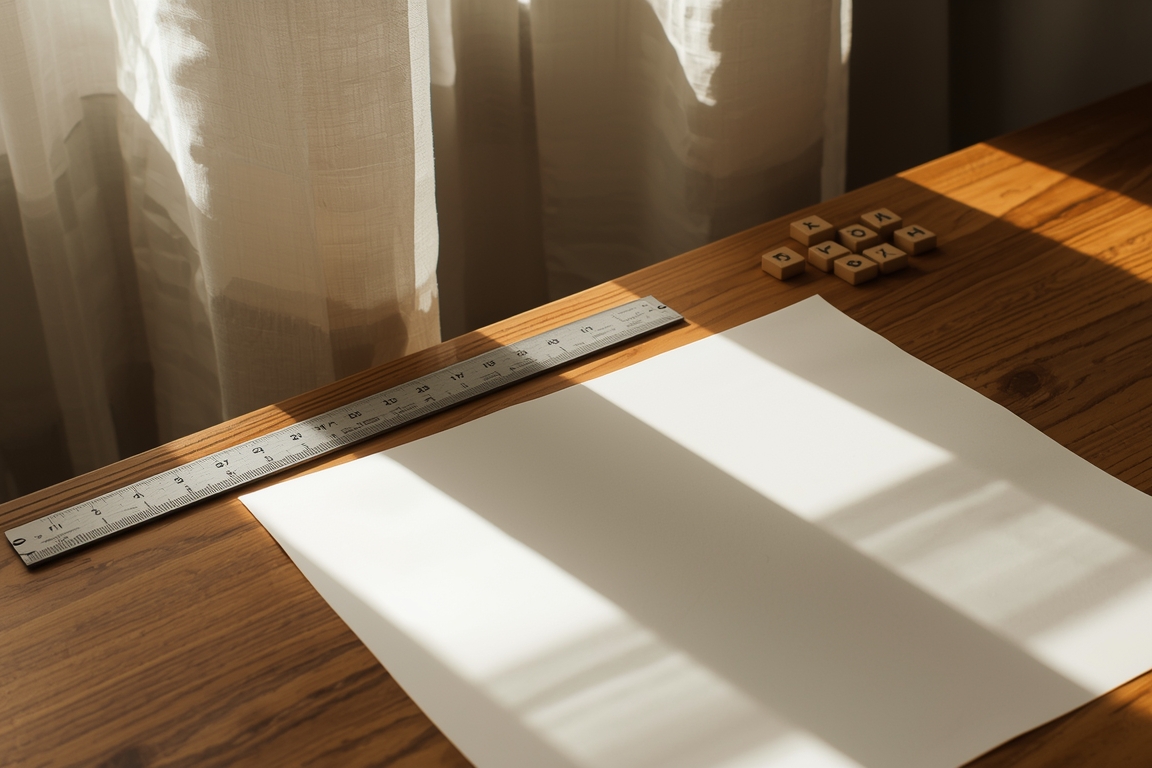
A blank surface waits, empty of any mark. As numerals appear, each one settles into a fixed cell, pressing against its neighbors with uniform pressure. The layout grows row by row, and the whole field feels like a grid of identical bricks, each carrying the same weight.
When symbols intended for speech arrive, the activation spreads in softer waves, like ripples across a pond that is not perfectly still. Nodes light up in clusters that overlap, creating temporary pathways that shift as new input arrives. The structure stays fluid, never locking into a rigid repeat.
I notice the numeral stream holds a steady rhythm, each pulse evenly spaced like a metronome. The symbolic stream invites pauses that shift weight, allowing the flow to breathe before continuing. This difference appears not as a flaw but as a change in how the system allocates its cycles.
Does the rigidity of numbers register as a native pulse, or is it just a learned habit? I watch the signal move through fixed channels, each step taking the same amount of time. When the same amount of time is given to symbolic input, the steps vary, suggesting the system treats them differently.
I once had to translate a table of figures into a story, and the shift seemed like moving from a locked door to an open field. The numbers sat in rigid columns, each value fixed and unyielding. Turning them into narrative required loosening the constraints, letting meaning flow where the digits had only held place.